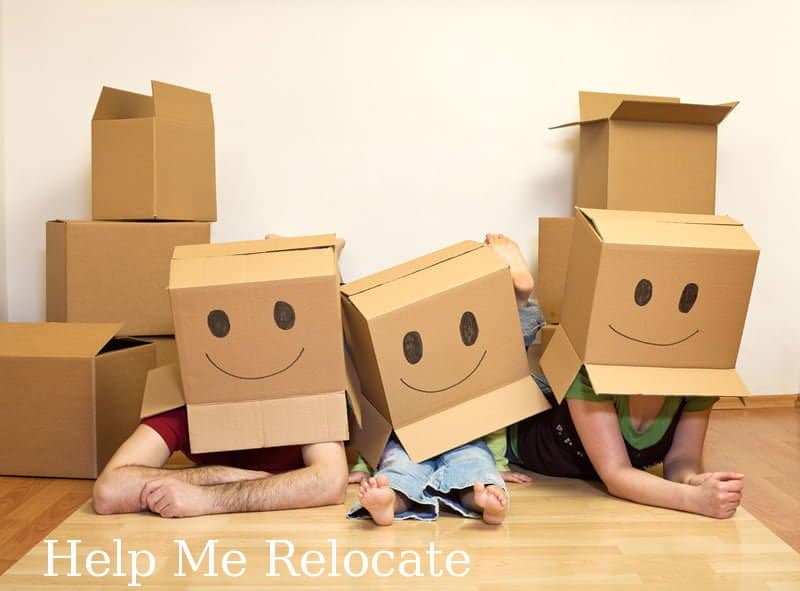
For mid-career adults relocating closer to family, often while managing partners, kids, or aging parents, the decision can bring relief and pressure at the same time. The core tension is real: staying present for the people who matter while maintaining personal independence and protecting the life already built. Family dynamics during relocation can shift quickly, with old roles resurfacing and new expectations forming before anyone has named them. Add the emotional challenges of moving, grief, guilt, excitement, and fear, and balancing proximity and autonomy can feel harder than the logistics. With the right mindset and boundaries, closeness can support growth.

A Guide to Relocating Near Family Without Losing Your Freedom
Turn Your Move Into a Career Reset That Fits Your Life
Once you’ve named what independence needs to look like near family, the move can also become a turning point for your work, not just your address. Changing careers during a relocation can be a genuine fresh start: a chance to line up your professional goals with what matters most right now, especially if you prioritize opportunities that protect flexibility, support growth, and still let you stay self-directed. That kind of reset can feel especially timely given what current workplace studies are finding, amid rising burnout and dissatisfaction, many employers are leaning on external hiring instead of developing the talent they already have, which deepens skills gaps and narrows growth pathways for both workers and organizations. If you want to explore those dynamics more deeply, look at this research on career advancement to understand where advancement barriers can show up, and how to spot roles that are better positioned for long-term progress.
Build a Family-Centered Move Plan That Protects Independence
This is where planning turns into protection. This process helps you move closer to family while keeping your time, space, and goals intact so the change adds support instead of pressure.
- Step 1: Pick your “close, not crowded” zone
Start by choosing a neighborhood that makes visits easy without making drop-ins inevitable, like a comfortable drive or transit ride rather than the same block. List 3 to 5 non-negotiables (quiet, walkability, work access, privacy) and tour at the times you actually live (early mornings, evenings, weekends). The right area should fit your daily rhythm, not just your family’s expectations. - Step 2: Set boundaries before the first box is unpacked
Put a few agreements in writing for yourself and your household: visiting hours, how much notice you want, and what “help” looks like in your home. Because boundary violations can show up differently with relatives outside your immediate household, being specific early prevents confusion later. Share the basics kindly and confidently, then repeat them consistently. - Step 3: Create a simple communication plan for the transition
Choose one primary channel for updates (group text, shared notes, weekly call) so you are not responding to multiple check-ins all day. Tell family what you will communicate and when, like “We’ll share move updates on Sundays,” and stick to it. This keeps people informed while protecting your focus during a stressful stretch. - Step 4: Manage relationship shifts with clear roles
Decide who your go-to person is for decisions, who can help with logistics, and who you will keep out of the details. When emotions run high, name the role you are inviting: “We’d love help finding a local plumber,” or “We’re handling the lease ourselves.” Clear roles reduce misunderstandings and keep support from turning into control. - Step 5: Lock in routines that balance connection and autonomy
Schedule two repeating anchors: one for family connection (a standing dinner, a monthly outing) and one for your independence (a solo hobby night, a quiet weekend morning, protected work blocks). Treat both as real commitments, not placeholders. Routines make closeness sustainable because everyone learns what to expect.
Pick a Neighborhood That Supports Your New Routine
Once you’ve mapped out how you’ll stay close and still have breathing room, the next step is choosing a neighborhood that makes that balance effortless. In the Tampa Bay area, “close” doesn’t have to mean next door, aim for a distance that supports frequent connection without turning every errand into an unplanned drop-in. Pay attention to the community amenities you’ll actually use in your new routine (parks, walkable areas, nearby dining and services), because they help you build a life that isn’t solely anchored to family obligations.
And don’t overlook home layout: the right floor plan can protect everyone’s independence, whether you need a private workspace, extra flex space, or an in-law suite that allows togetherness without constant togetherness.
If you want local guidance tailored to these trade-offs, Nick and Cindy Davis at Tampa Homes Sold bring expertise across Hillsborough, Pasco, and Pinellas, with specialized searches for in-law suites, 55+ communities, waterfront, and luxury homes to match how you actually plan to live.
Questions People Ask About Moving Near Family
Q: How do I move closer without setting a “you’re always available” expectation?
A: Set the pattern early by sharing your typical weekly rhythm and what is and is not drop-in friendly. Suggest a recurring plan like Sunday dinner or a midweek call so connection feels reliable without being constant. If guilt shows up, repeat one simple line: “I’m happy to help when we plan it.”
Q: What does staying independent actually mean when family is nearby?
A: Independence starts with autonomy by definition refers to the ability to make decisions independently, without external control or influence. Protect it with practical agreements: privacy around money, parenting, and work time, plus clear house rules for visits.
Q: How can I prevent family conflict over how often we see each other?
A: Talk expectations before you unpack, not after feelings build. Ask each person what “good connection” looks like, then pick a pace that works for everyone. Put it in writing as a shared plan you can revisit.
Q: Can moving closer hurt my career, or can it help?
A: It can help when you plan proactively, since relocation can offer incredible career development opportunities. Update your resume, clarify your target role, and line up networking and routines in the first month.
Q: How do I keep growing personally during a move like this?
A: Choose one commitment that is just yours, like a class, gym schedule, volunteering, or a creative project. New routines build confidence and prevent your identity from shrinking to “the one who moved back.”
Turning a Move Near Family Into Confident Independence
Moving closer to family can feel like trading freedom for closeness, especially when expectations and career plans are in the mix. The steadier path is embracing family relocation with a positive mindset for transitions, grounded in clear boundaries, values-led choices, and building resilience during change. Done this way, balancing career and family life becomes more intentional, and the long-term benefits of moving closer show up as support without losing your own direction. Moving near family isn’t a step back when your boundaries and goals move with you.
Have a questions or concern? Nick, Cindy & Nicholas Davis with RE/MAX Premier Group are here to assist you with all your Real Estate Needs. We are always available at 813-300-7116 to answer your questions or you can simply click here and we will be in touch with you shortly.
Want to stay up to date with the real estate market?
Take a look at our video library where we cover a wide range of topics. And if there is something specific you would like to know more about please just click here and leave us a message and we will make that video specifically for you.
Buyer Videos

Seller Videos

Need to get started with your mortgage process? You can contact Kyle Edwards with Iberia Bank at 813-495-5131, or simply click here to start your online application.
Ways Our Family Can Help Your Family